In a daring nighttime operation near the strategic Strait of Hormuz, elite United States Navy SEALs launched a precision raid targeting a heavily guarded missile convoy linked to Iran’s Islamic Revolutionary Guard Corps, commonly known as the IRGC. Intelligence reports indicated the convoy was transporting advanced missile components and military supplies intended to strengthen regional proxy forces and threaten international shipping routes in the Persian Gulf.
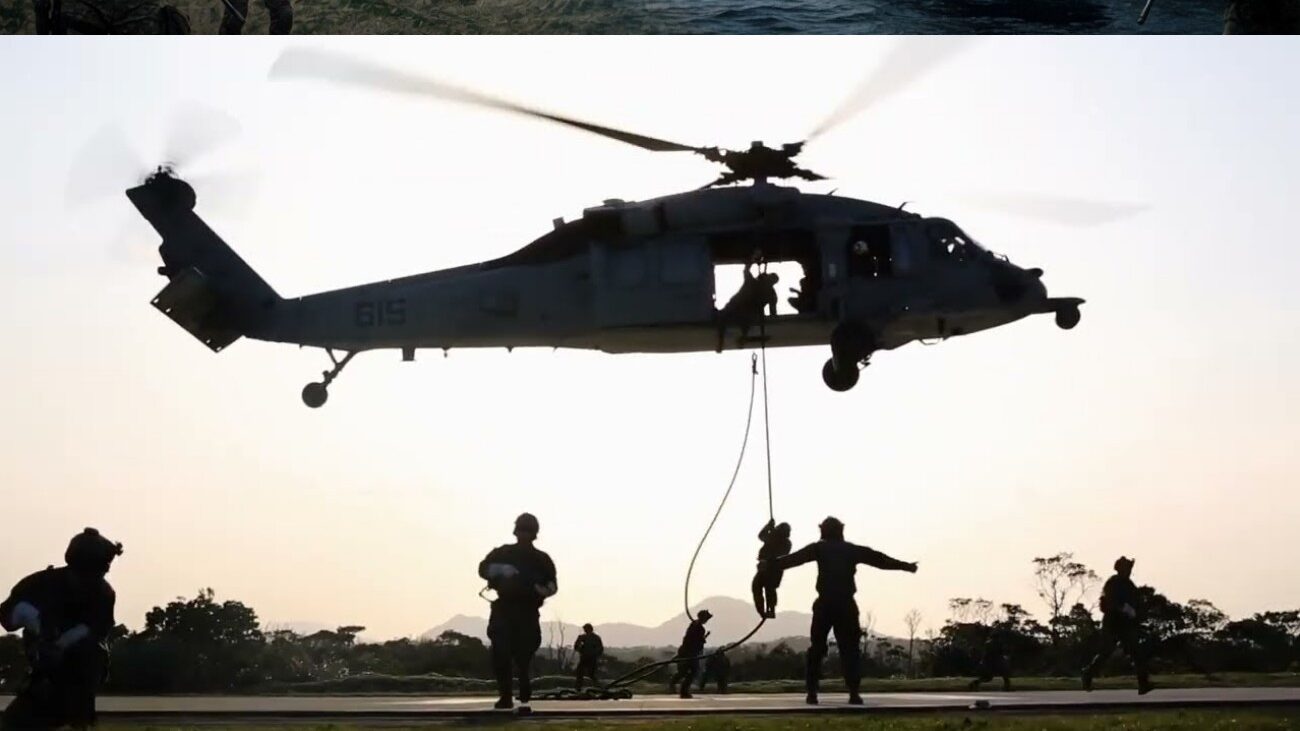
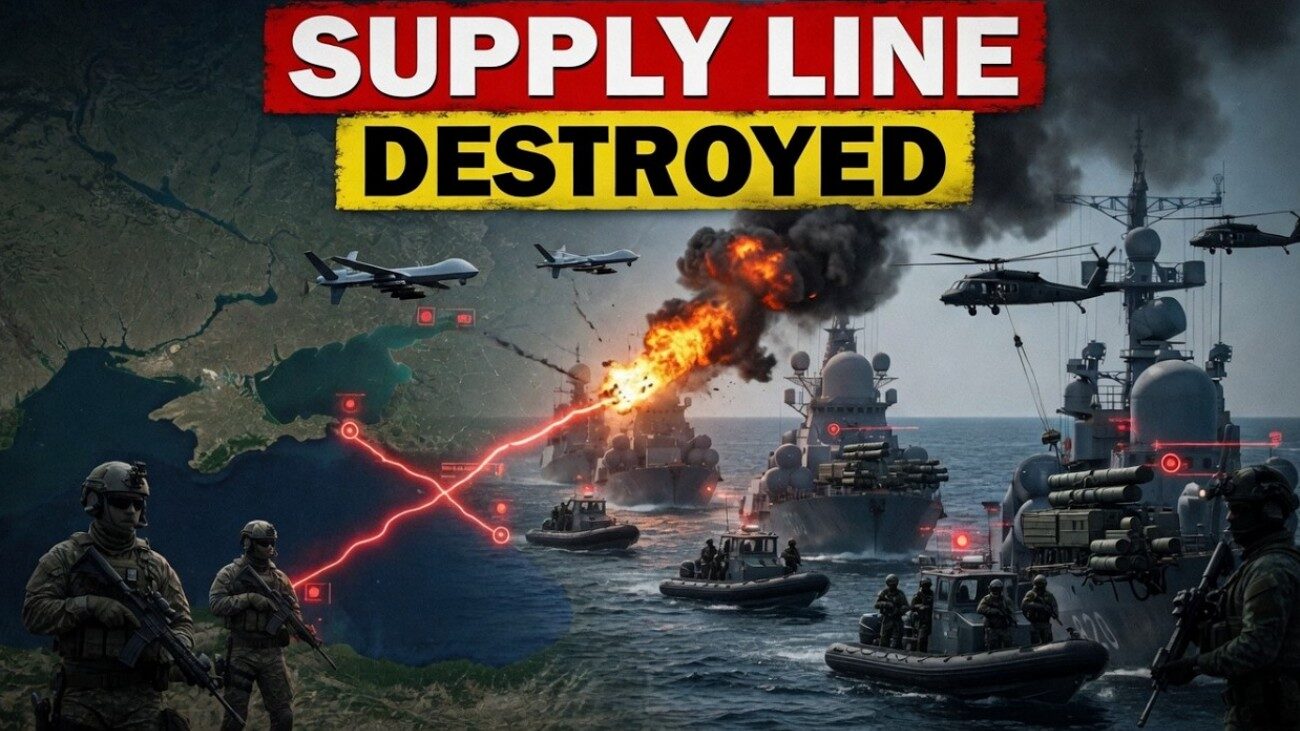
Under the cover of darkness, special operations teams supported by surveillance drones, naval destroyers, and airborne reconnaissance assets moved swiftly into position. The mission focused on disrupting a critical supply line believed to be operating through the Strait of Hormuz, one of the world’s most important maritime chokepoints for global oil transportation.
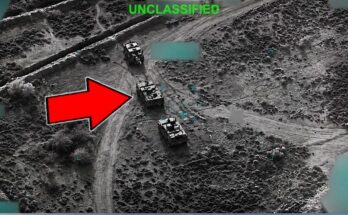
According to military sources, the operation unfolded with remarkable speed and precision. Multiple vehicles carrying missile equipment were intercepted and disabled before they could reach their destination. Explosions lit up the desert landscape as the convoy’s transport trucks and weapons caches were destroyed. Several IRGC operatives were reportedly captured during the mission, while others fled into nearby terrain.
The successful raid delivered a major blow to the convoy’s supply network and highlighted the advanced operational capabilities of modern special forces. Analysts say the operation also demonstrated the growing importance of intelligence-driven warfare, where satellite tracking, drone surveillance, and rapid-response units work together in real time.
The Strait of Hormuz remains one of the most sensitive geopolitical flashpoints in the world, with tensions often rising between regional powers and Western military forces. Any disruption in the area can impact global energy markets and international security. While officials have not released full operational details, the mission has already sparked intense international discussion about military strategy, maritime security, and escalating regional tensions.
The operation stands as another example of how modern naval special forces continue to shape high-stakes missions in some of the world’s most dangerous conflict zones.